Original: $68.02
-70%$68.02
$20.41The Story
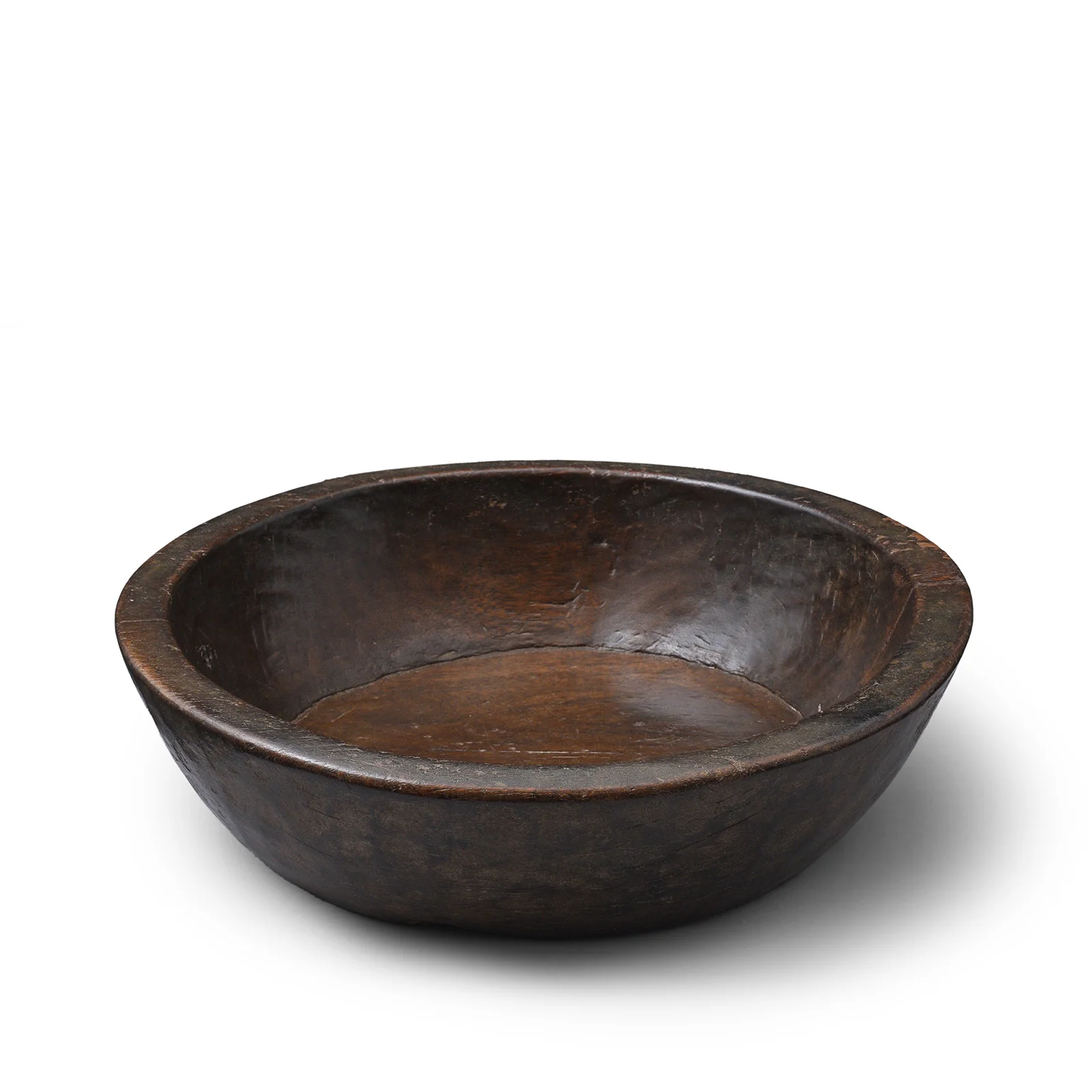
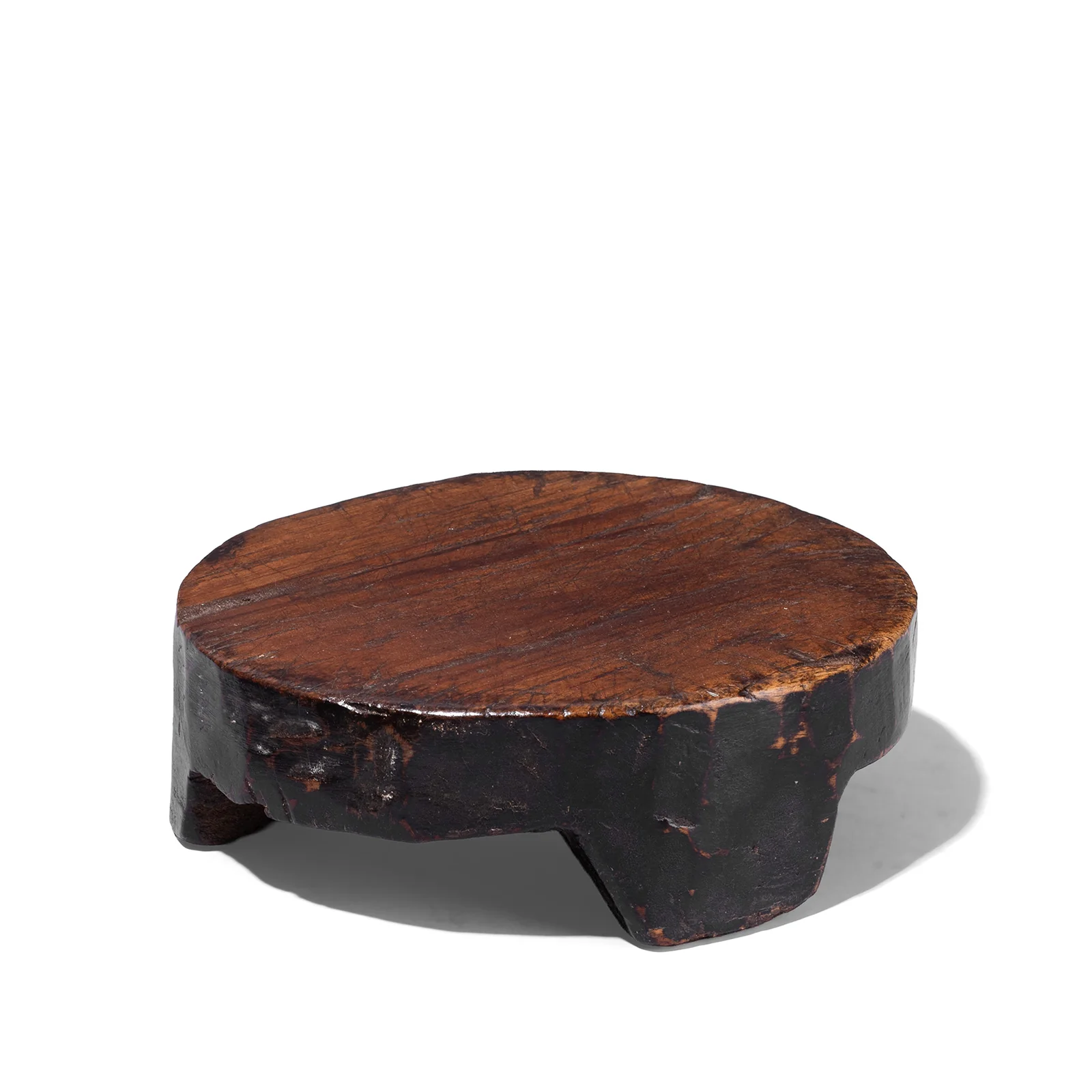
This solid teak chapati board originates from Rajasthan and dates to the 19th century. Traditionally used for rolling chapatis and everyday food preparation, boards such as this were an integral part of domestic life and were often passed down through generations, accumulating a rich patina that speaks to years of daily use.
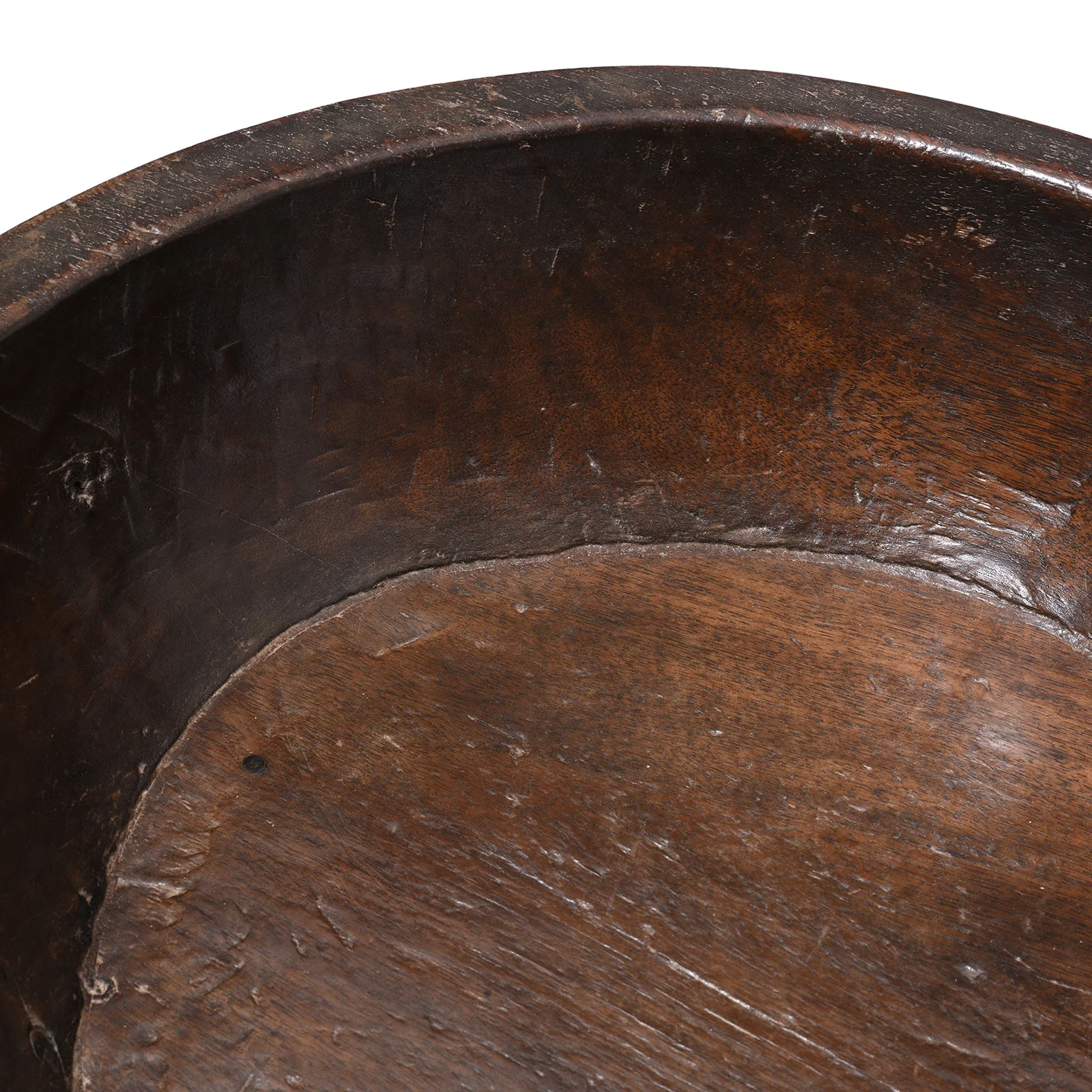
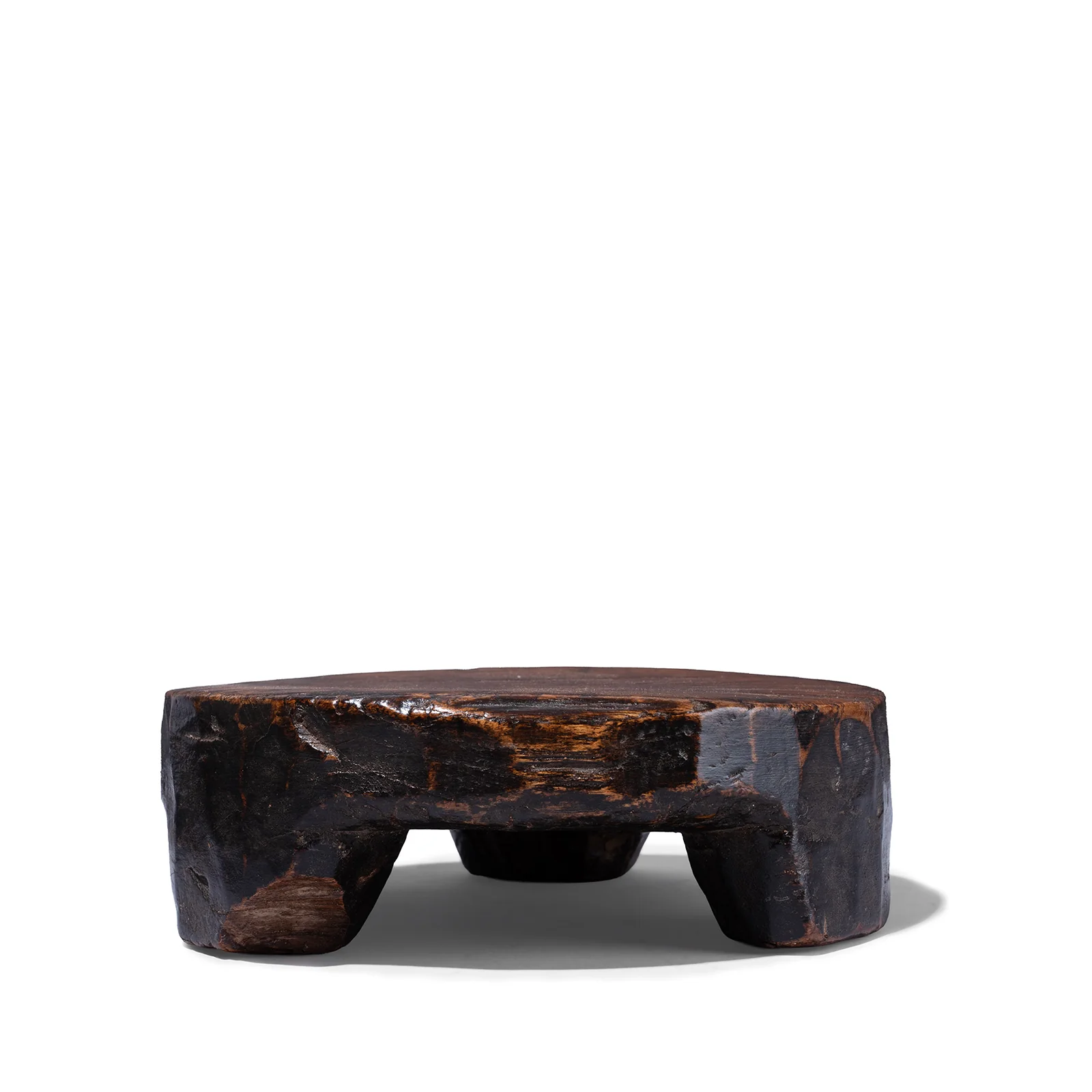
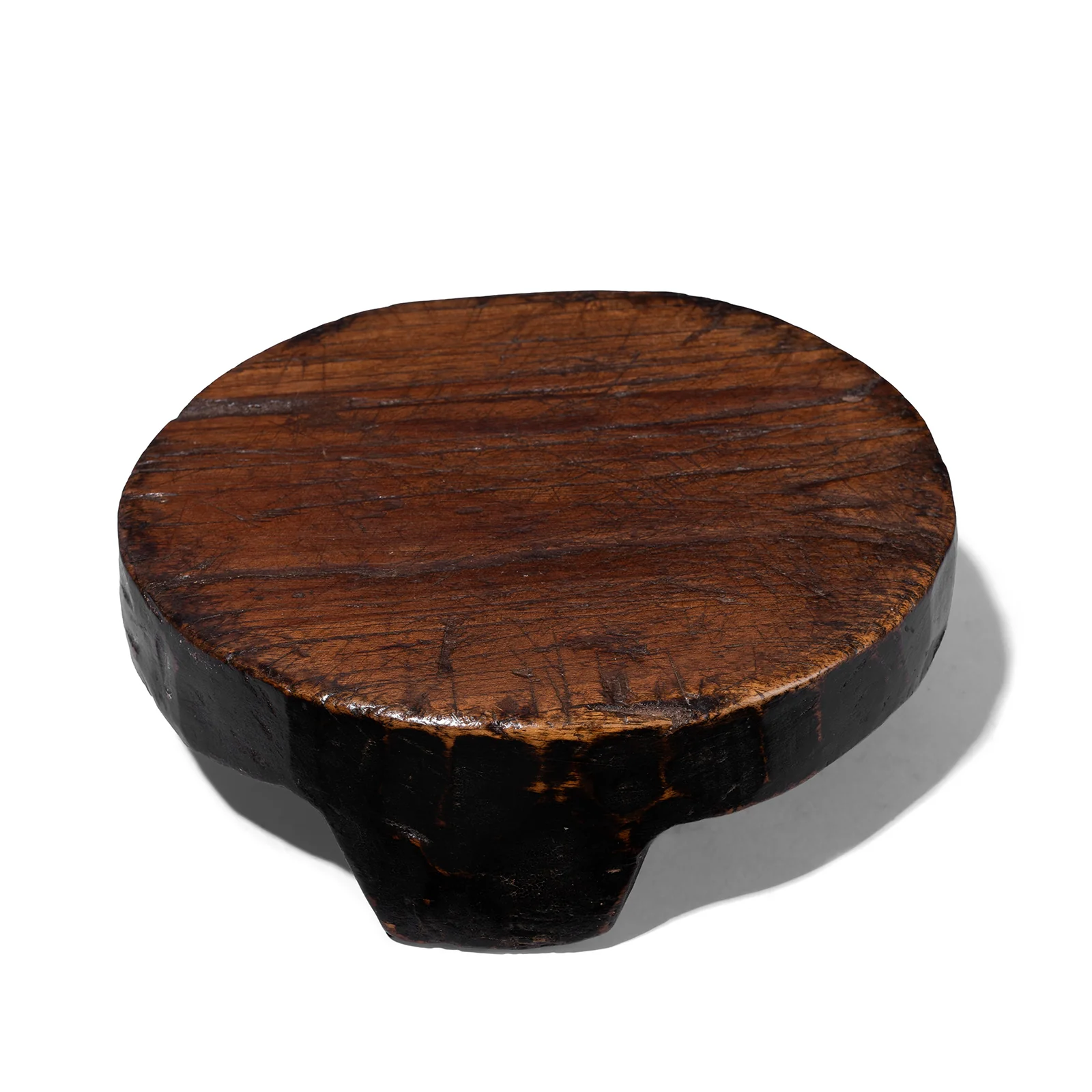
Carved from a single piece of teak, the board has a thick, low-profile form with gently chamfered edges and three integral feet, giving it both stability and a sculptural presence. The surface shows a beautifully worn polish, with darker tones around the sides and natural marks consistent with age and use. Today, it works equally well as a decorative object, low display stand, or tactile reminder of traditional Indian household craftsmanship.
- Origin: Rajasthan, India
- Date: 19th Century
- Materials: Solid teak wood
- Features: Hand-carved circular form with integral feet and naturally worn surface
- Condition: Structurally sound with age-related wear and a well-developed patina
- Dimensions: W24 x D24 x H7 cm
Details & Craftsmanship
Every detail has been carefully considered to bring you the perfect product.
Details & Craftsmanship
Every detail has been carefully considered to bring you the perfect product.
Description
This solid teak chapati board originates from Rajasthan and dates to the 19th century. Traditionally used for rolling chapatis and everyday food preparation, boards such as this were an integral part of domestic life and were often passed down through generations, accumulating a rich patina that speaks to years of daily use.
Carved from a single piece of teak, the board has a thick, low-profile form with gently chamfered edges and three integral feet, giving it both stability and a sculptural presence. The surface shows a beautifully worn polish, with darker tones around the sides and natural marks consistent with age and use. Today, it works equally well as a decorative object, low display stand, or tactile reminder of traditional Indian household craftsmanship.
- Origin: Rajasthan, India
- Date: 19th Century
- Materials: Solid teak wood
- Features: Hand-carved circular form with integral feet and naturally worn surface
- Condition: Structurally sound with age-related wear and a well-developed patina
- Dimensions: W24 x D24 x H7 cm