Original: $173.39
-70%$173.39
$52.02The Story
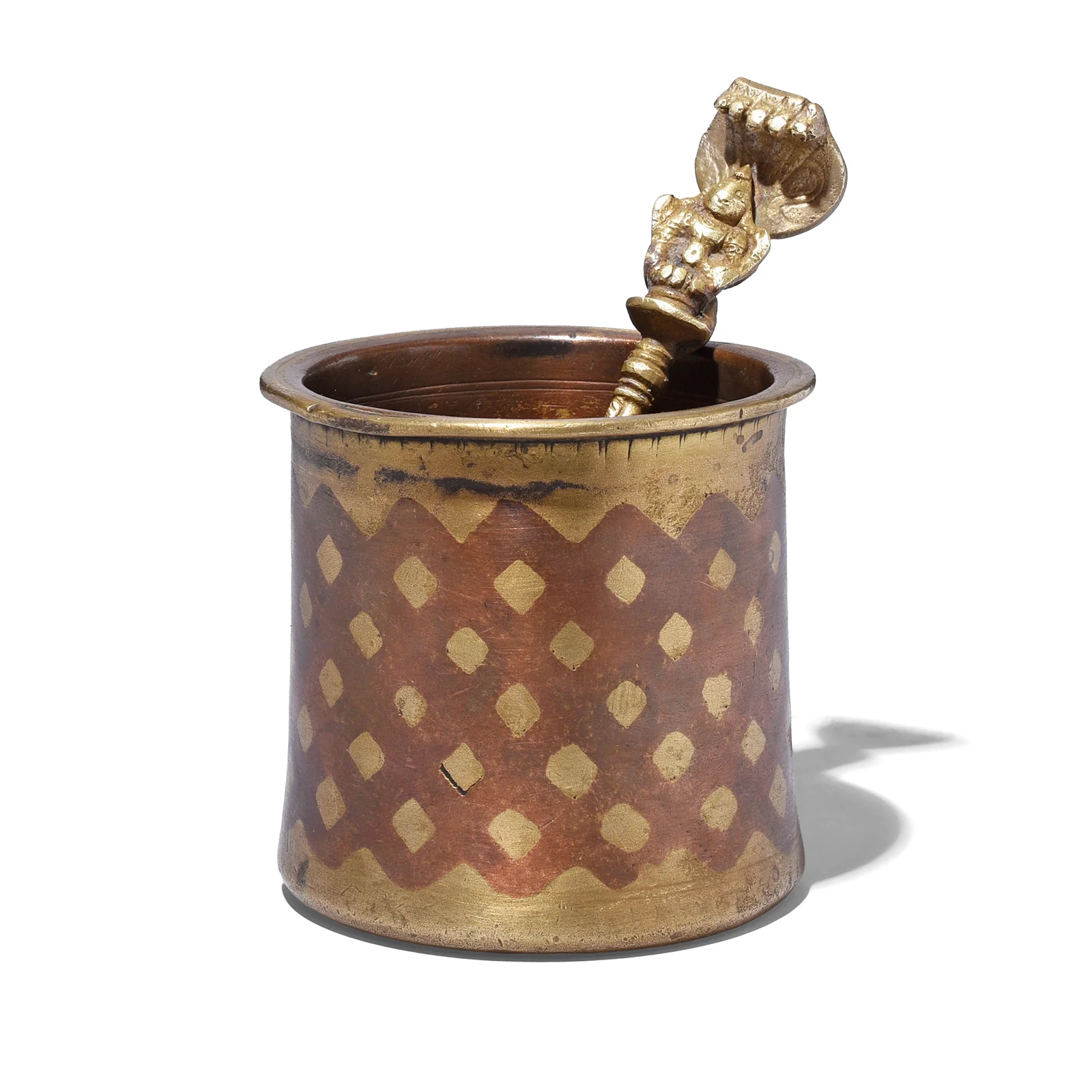
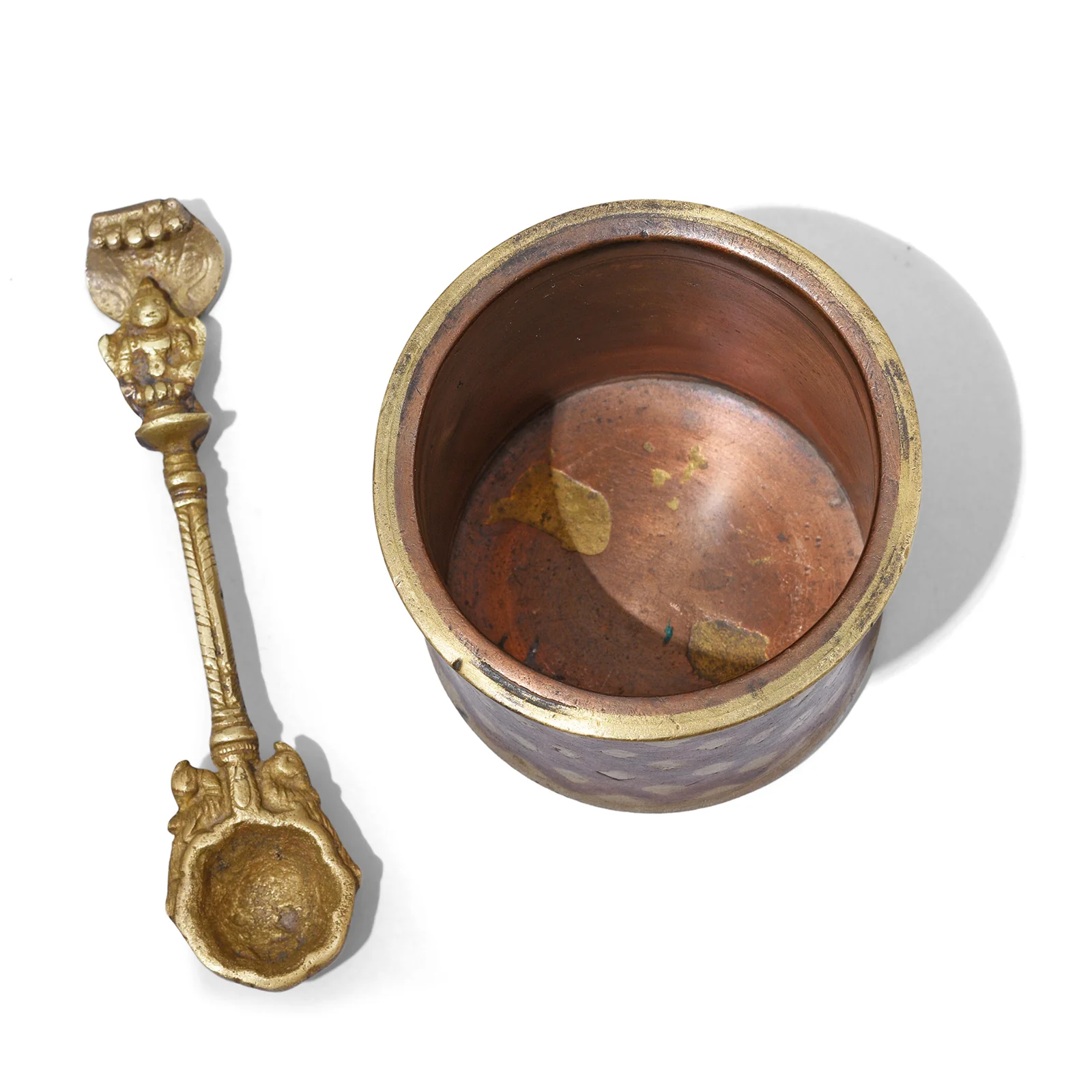
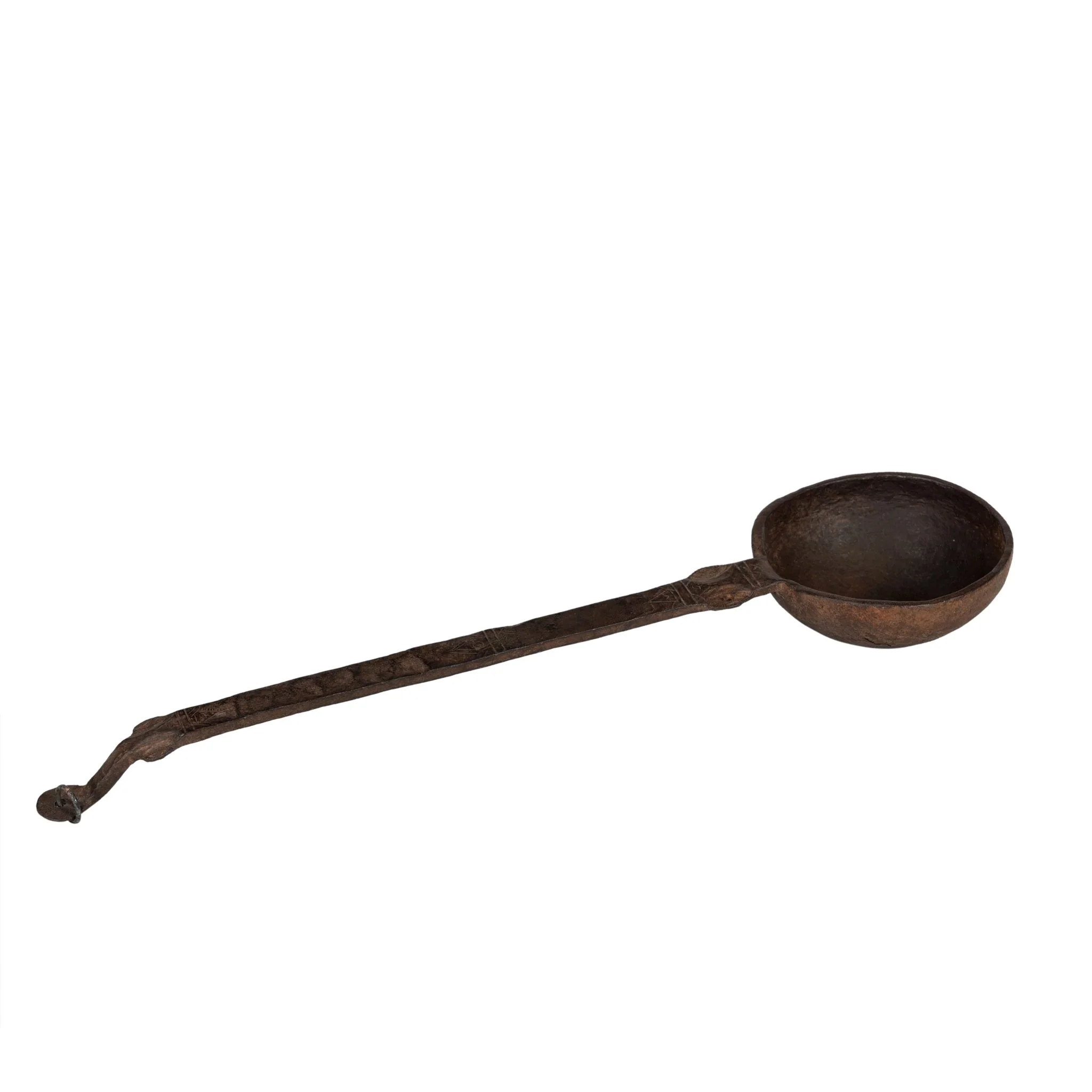
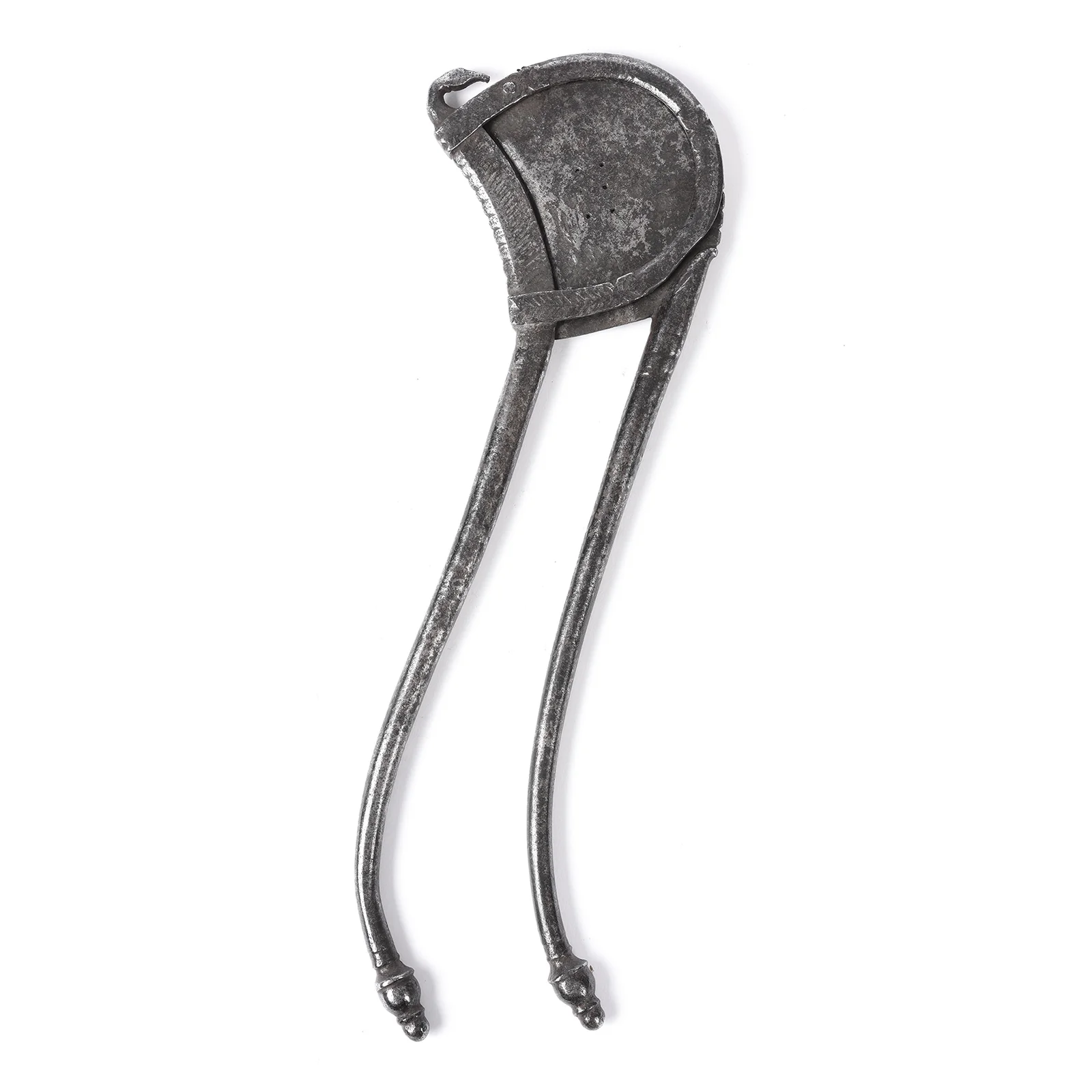
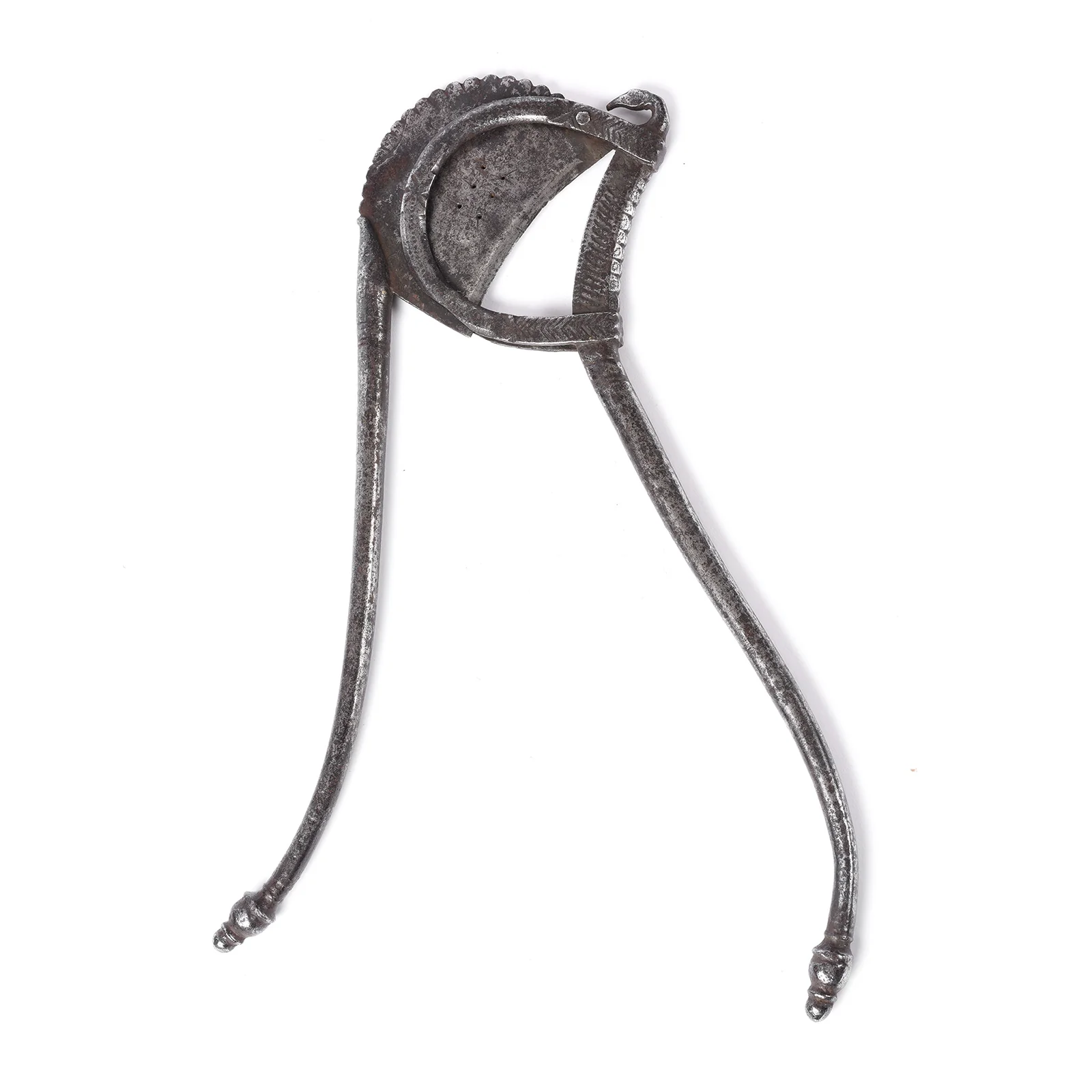
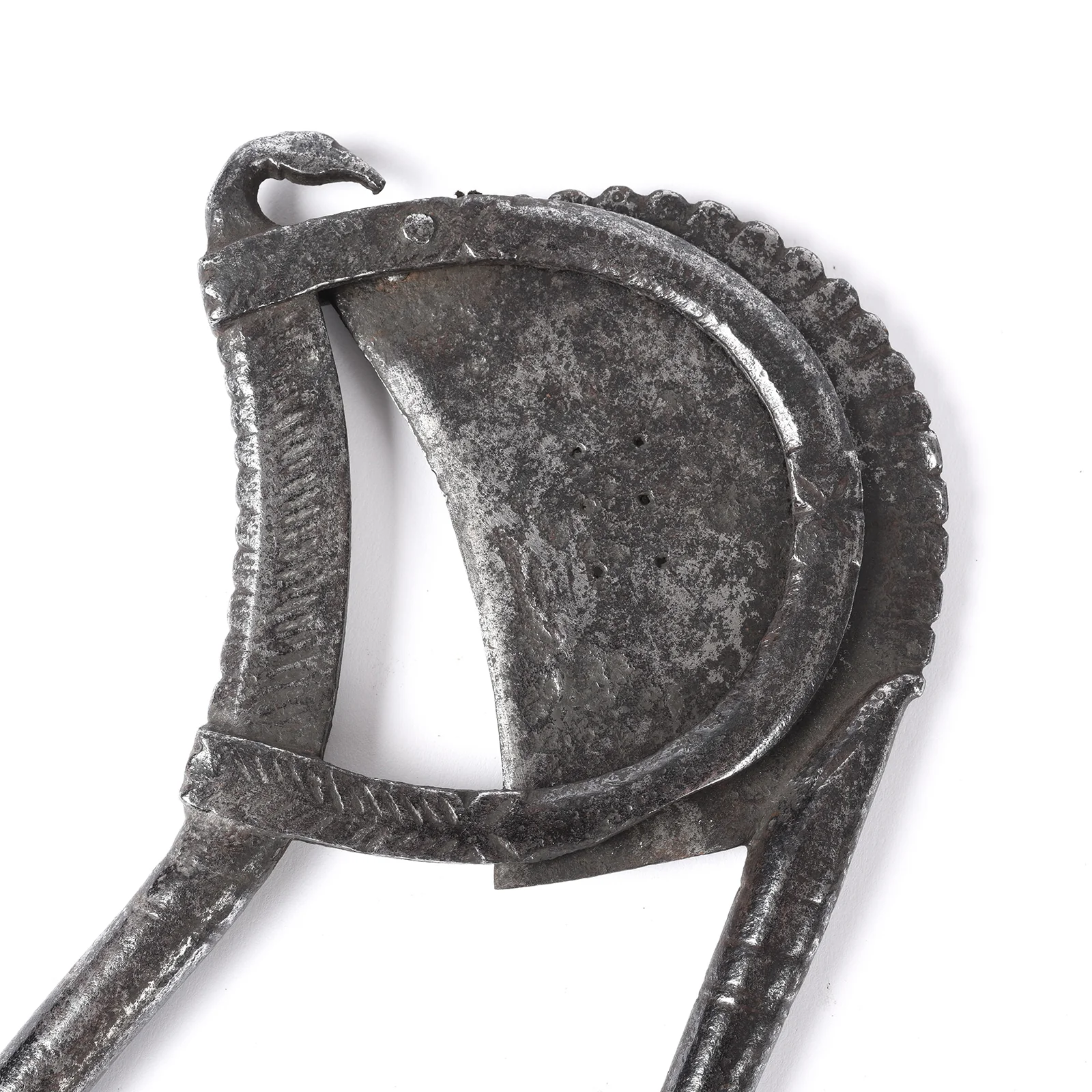
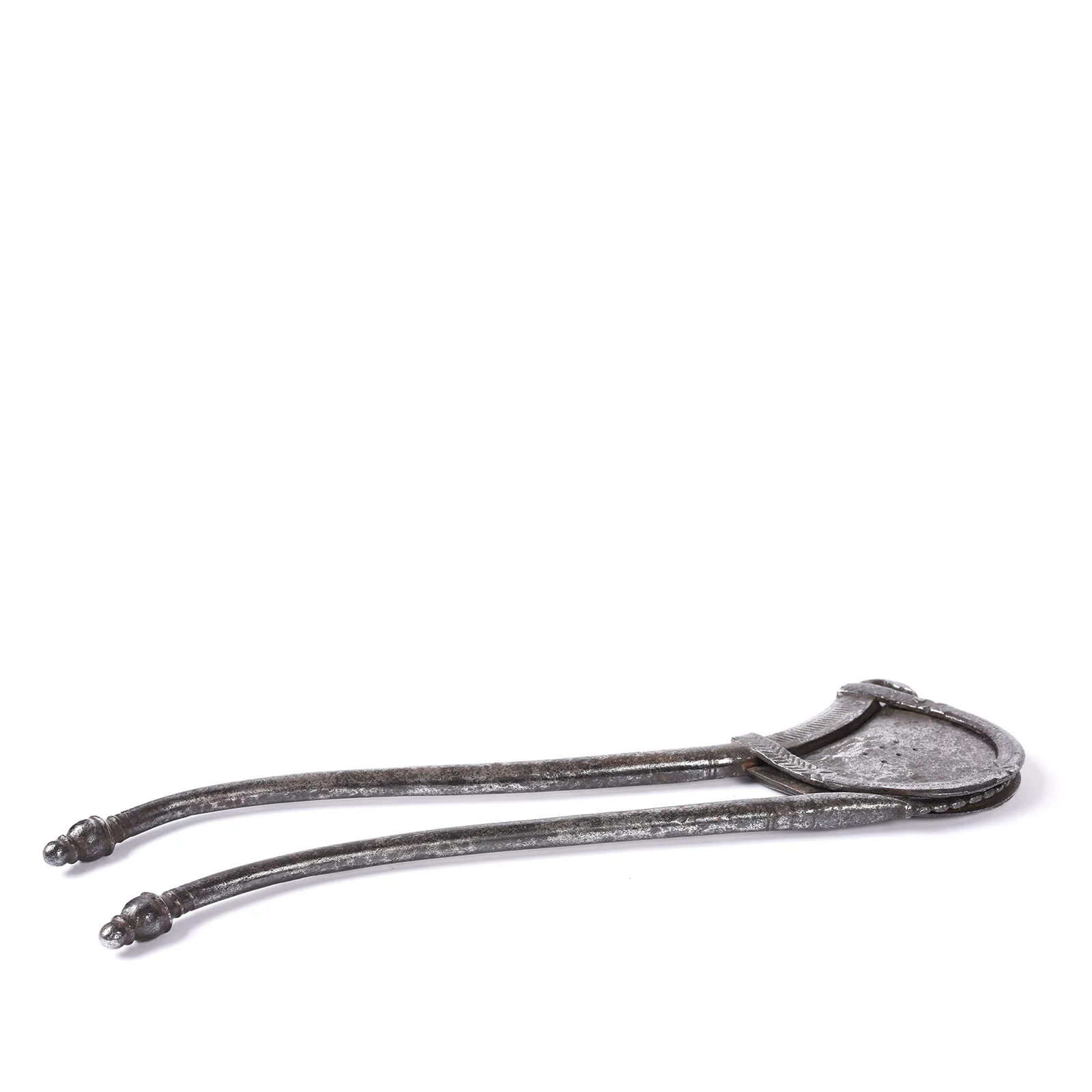
Hand forged from iron, these very decorative betel nut cutters were used in the preparation of paan, Paan combines a paste of spices in a betel leaf, which is chewed for its stimulant and psychoactive effects. After chewing it is either spat out or swallowed. Paan has many variations. Slaked lime (chunnam) paste is commonly added to bind the leaves. The skilled paan maker is known as a paanwala in North India. A utility item, 'Sarota' came in many shapes and sizes, often shaped with animal or peacock heads on the handles. They varied from very highly decorated with gold or silver leaf ( used by wealthy or royal households) to brass filagree or more basic plain iron like this one, which has been highly polished. They are fun to collect as they are so diverse.
There are books published that follow their historical importance.
Details & Craftsmanship
Every detail has been carefully considered to bring you the perfect product.
Details & Craftsmanship
Every detail has been carefully considered to bring you the perfect product.
Details & Craftsmanship
Every detail has been carefully considered to bring you the perfect product.
Description
Hand forged from iron, these very decorative betel nut cutters were used in the preparation of paan, Paan combines a paste of spices in a betel leaf, which is chewed for its stimulant and psychoactive effects. After chewing it is either spat out or swallowed. Paan has many variations. Slaked lime (chunnam) paste is commonly added to bind the leaves. The skilled paan maker is known as a paanwala in North India. A utility item, 'Sarota' came in many shapes and sizes, often shaped with animal or peacock heads on the handles. They varied from very highly decorated with gold or silver leaf ( used by wealthy or royal households) to brass filagree or more basic plain iron like this one, which has been highly polished. They are fun to collect as they are so diverse.
There are books published that follow their historical importance.